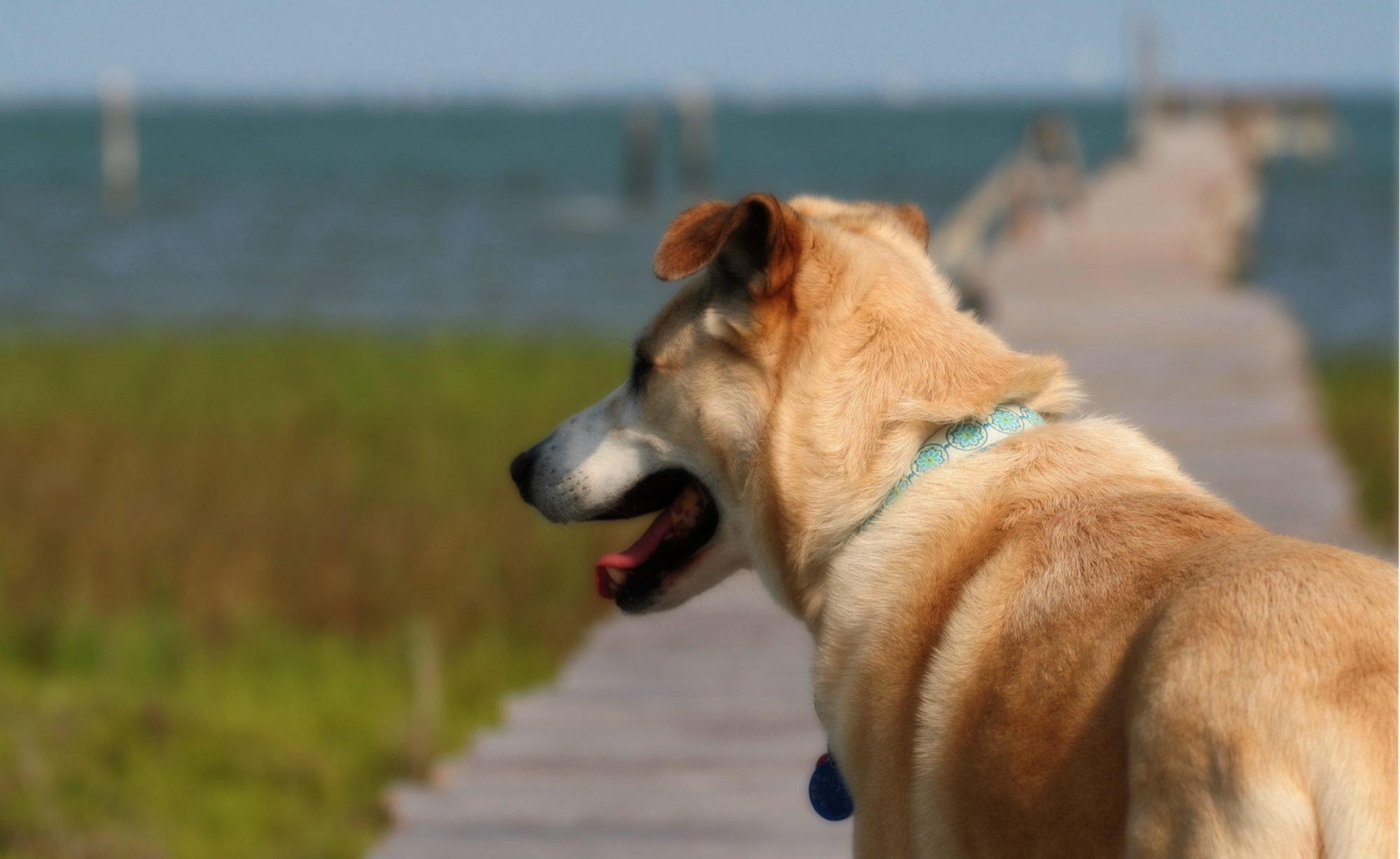
(Update July 2013: We just got back from a road trip to Texas. Before we left, I got our dog, Saffron, vaccinated against rattlesnake venom. I’m surprised how many people still don’t know there’s a rattlesnake vaccine available for dogs (and horses)! It doesn’t completely protect them—you still must immediately get them to a vet if they’re bitten–but it lessens the damage caused by the bite and may buy you some time. Please note that it’s a 2-part vaccine, so you need to get it a month in advance if you’re traveling to a place with rattlesnakes.)
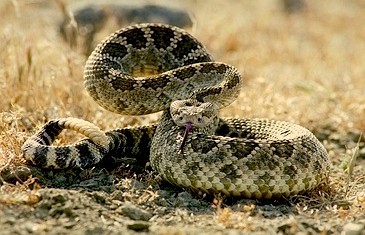
I was on the Texas Gulf Coast recently walking my parents’ Yorkshire Terrier, CoCo, in some pastureland. I was being really careful to keep an eye out for snakes, when I noticed a brightly colored caterpillar CoCo had disturbed. Not 2 seconds later, I heard this scary noise. CoCo had found a good sized rattlesnake. I got her to stop being a terrier long enough to scoop her up. Fortunately, neither of us was hurt. But as a result, I learned about the rattlesnake vaccine (Crotalus Atrox Toxoid) which a lot of y’all might already know about, but that I’d never heard of up here on the NW Pacific Coast.
The vaccine is made by Red Rock Biologics from inactivated Western Diamondback venom and causes an immune reaction so that if your dog is bitten, antibody titers bind and neutralize the venom. The vaccine is meant to buy you time. If your dog is bitten, you still need to get her to a vet immediately. According to the manufacturer’s FAQ, if your dog is bitten the vaccine should:
- decrease pain
- reduce swelling
- reduce tissue damage
- aid in a quicker recovery
However, there are concerns about the vaccine. Dr. Valerie Wiebe, Pharm.D details reservations about the vaccine & why the UC Davis Veterinary Medical Teaching Hospital does not recommend its use in a 2010 post:
- insufficient data on the efficacy of the vaccine in dogs
- dogs who have been bitten must still be immediately taken to a vet for emergency treatment
- the type of snake that bit the dog may not be covered by the vaccine, for instance the Mojave Rattlesnake’s venom (a neurotoxin) is not protected against
In a 2007 update from UC Davis Veterinary Medical Teaching Hospital note that the Red Rocks Biologic rattlesnake vaccine’s “product license is currently conditional as efficacy and potency have not been fully demonstrated.”
I think it’s important to point out Dr. Wiebe does note that:
…in patients that are at very high risk, and in areas where treatment may be substantially delayed, the rattlesnake vaccine may buy time for the owner to get their animal to a veterinarian and may potentially decrease the overall severity of envenomation.
So what to do? If your dog is at high risk of running into a rattlesnake, talk to your vet in depth about the vaccine. Voice your concerns, ask lots of questions, find out how long your vet has been administering the vaccine, if there have been any problems, and find out if your vet thinks the vaccine has helped in cases where dogs have been bitten. Ask friends and neighbors about their experience with the vaccine. Ask people at the dog park and your pet supply store. Make an informed decision and don’t get distracted by brightly colored caterpillars.


Podcast: Play in new window | Download