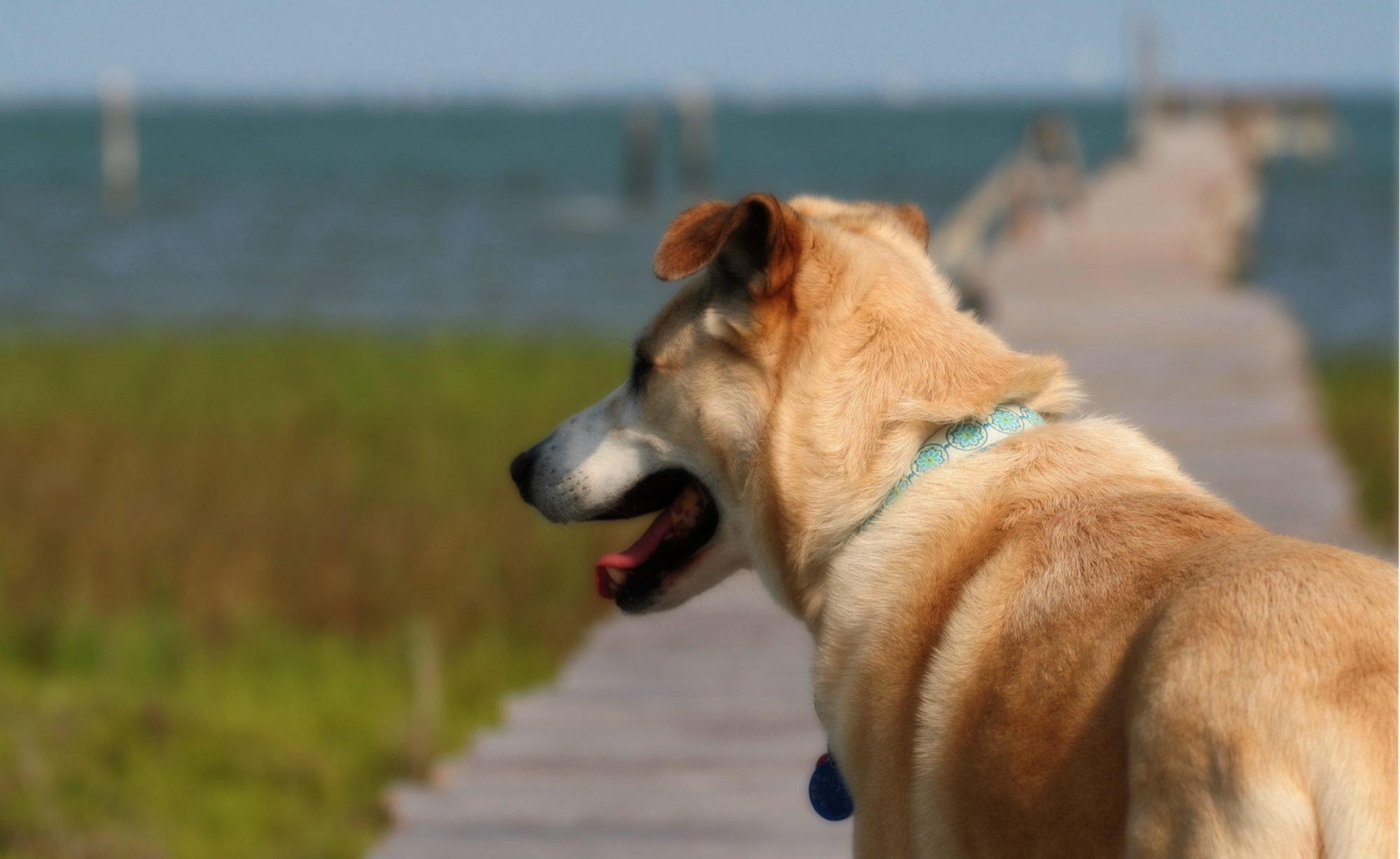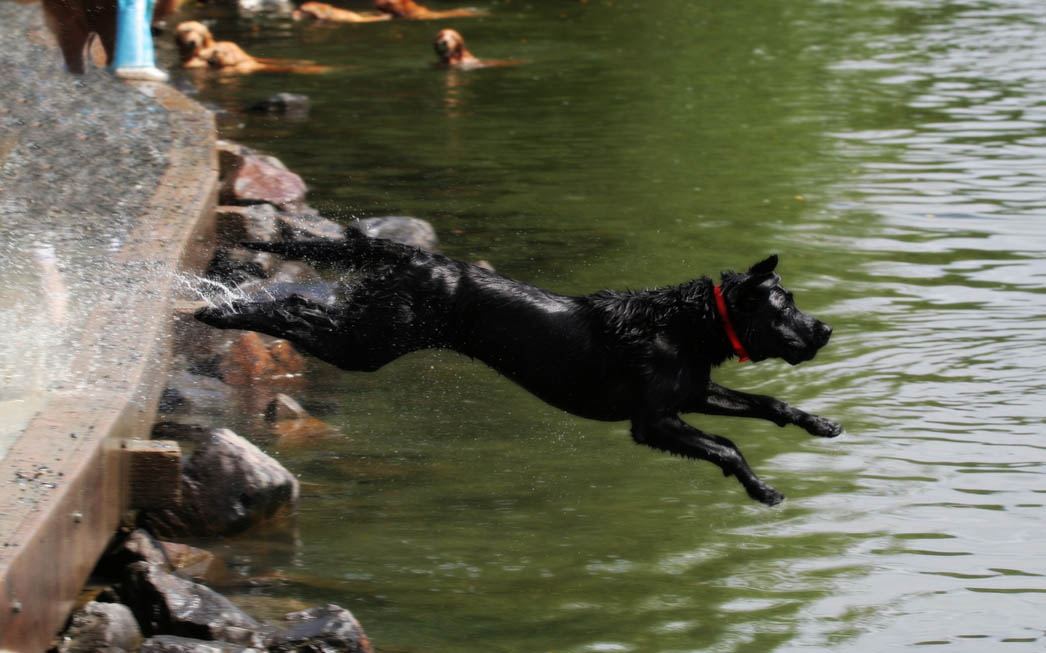
Summer is almost here and that means humans & their dogs will be on or around the water. We often ask our dogs to do things that their instincts haven’t prepared them for, like boating. I don’t think dogs come equipped with sea legs or the ability to judge whether it’s safe to jump in a river to go after water fowl. Most dogs can swim, but even the best swimmer can be crippled by strong currents, hypothermia, or panic and end up drowning. A good life jacket could make all the difference. Keep those pups safe!
With a good life jacket, dogs with amputated limbs or mobility problems could still benefit from water exercise. You won’t have to worry about your dog sinking or her head going under water.
We have the Float Coat which I love. RuffWear designed a great canine life jacket.
We like the life jackets by RuffWear because:
- it’s one of the few with foam under the body & under the head, providing much better buoyancy than jackets with foam just on the back, & it keeps dogs horizontal in the water
- it fits very snugly & securely with wide sections across the chest and under the belly, 3 adjustable straps/clips, and velcro at the chest. This jacket won’t twist or cut into your dog the way jackets with unpadded nylon straps can.
- it has a handle on the back making it possible to grab a dog to lift it from the water
- the different foam thickness and the ergonomic tailoring makes for a comfortable fit and allows for good rang of motion, in particular, the front legs (Saffron actually seems to like wearing hers even out of the water.)
- highly reflective piping and bright yellow material makes your dogs more visible (I recommend the yellow instead of the red, since yellow provides a stronger contrast)
- there’s a D-ring for a leash and a loop to attach a light beacon
- fabric on underside has tight weave so dog’s fur won’t get knitted into fabric
- super easy to keep clean and dries quickly
http://www.youtube.com/watch?v=b91ZVCJIS78